
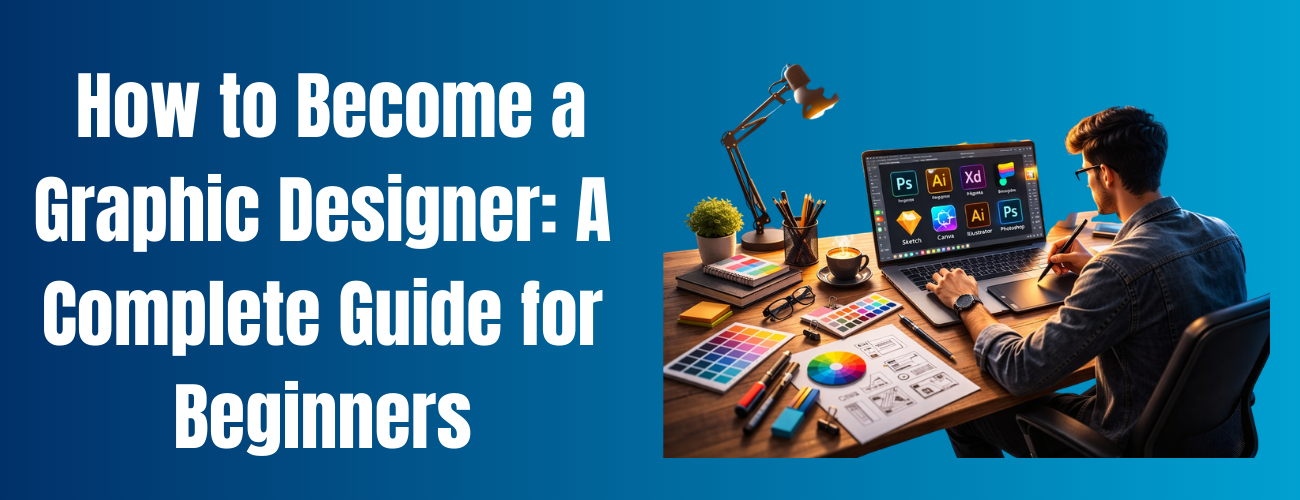
How to Become a Graphic Designer: A Practical Step-by-Step Guide
If you want to learn about the creative world of graphic design, you are in for a thrilling career where your creativity, problem-solving, and opportunities have no limits. As a graphic designer, you can have a creative and rewarding career whether you want to design logos, websites, or digital art. But where do you begin?
In this guide, we will cover the high-level steps you need to take to become a graphic designer as well as licentious skills and how to develop your portfolio and find your first job. Whether you are just starting out or expanding what you already know, this guide will help you get on your feet as a graphic designer.
What Does a Graphic Designer Do?
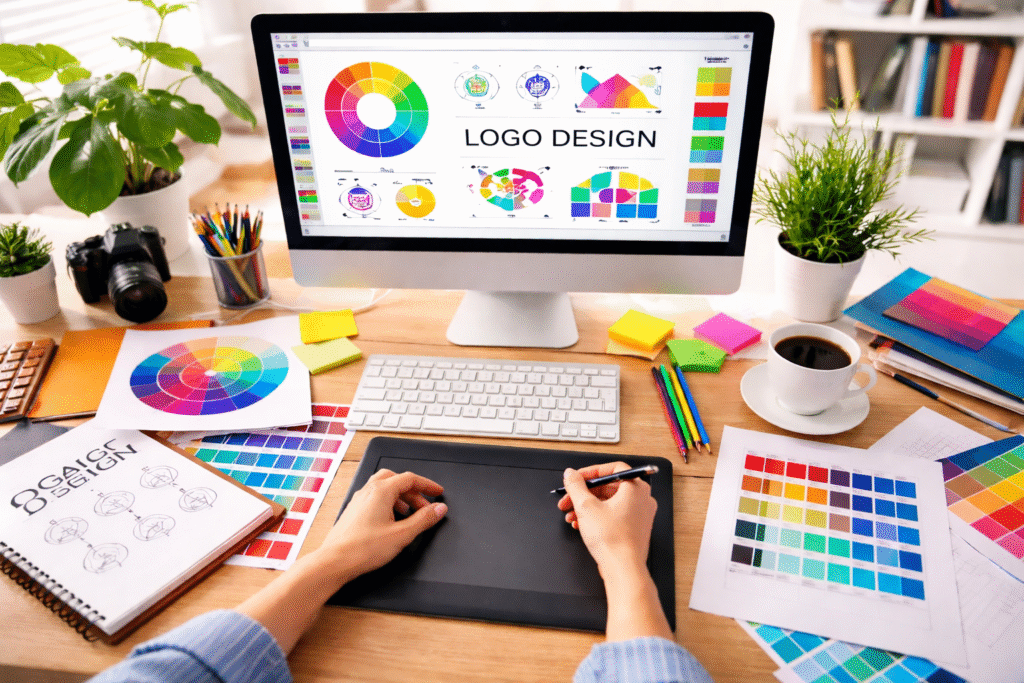
Before jumping into a career as a graphic designer, you need to know what the job actually involves. In short, graphic designers are in charge of creating visual content that communicates ideas to a target audience. Duties may include creating web pages, logos, posters, packaging, and advertisements. A graphic designer’s job can be as technical and logical as it is creative — solving problems within visual communication.
Design has its vocabulary—a set of letters, fonts, images, and colors that form the building blocks for attention-grabbing, cohesive designs that appropriately influence how you understand what they communicate.
Essential Skills You Need how to Become a Graphic Designer
While creativity is at the heart of every designer’s work, there are several other key skills you’ll need to develop in order to succeed in this career:
- Creativity and Innovation: To generate original design concepts, you’ll need to think creatively. Your ability to visualize ideas and turn them into eye-catching designs will be crucial.
- Attention to Detail: A successful graphic designer knows that every little detail matters. From precise alignment to consistent colors and typography, your eye for detail will ensure your designs look polished and professional.
- Proficiency in Design Software: Most graphic design work is done with specialized software like Adobe Photoshop, Illustrator, and InDesign. Becoming familiar with these tools is crucial for bringing your ideas to life.
- Understanding Typography: Typography is not just about picking fonts but also about how to combine them to create a design that is visually appealing and readable. Learning how to use fonts effectively is key.
- Communication Skills: Clients, copywriters, and other team members frequently collaborate closely with graphic designers. You can better comprehend customer demands, communicate design concepts, and work with others if you have strong communication skills.
- Time Management: Often, graphic design projects come with deadlines. Effective time management will enable you to produce high-quality work on schedule.
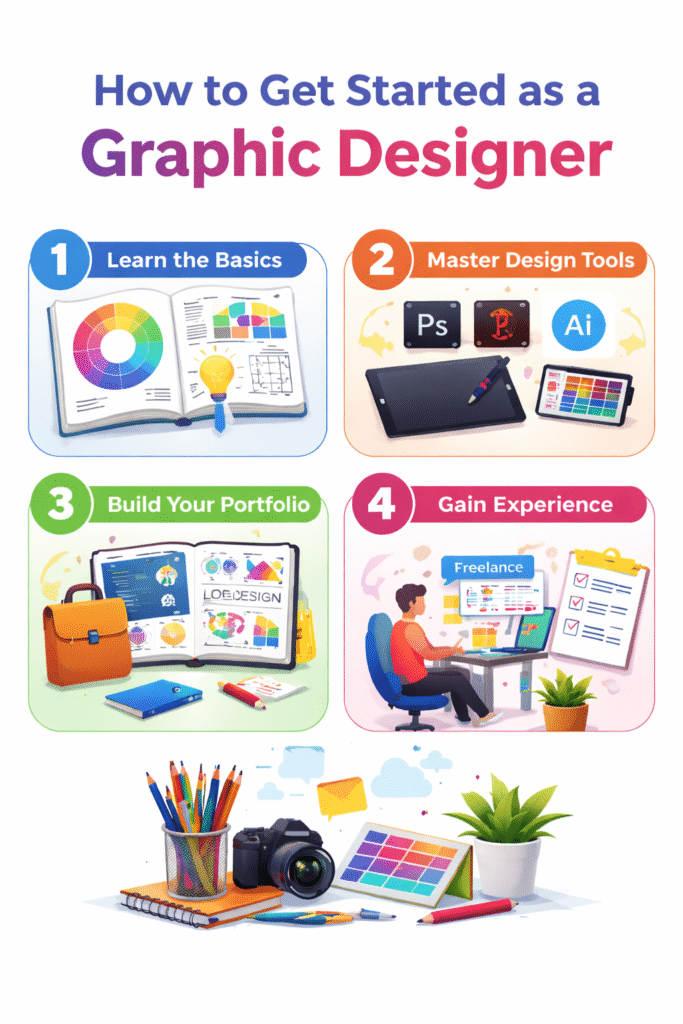
How to Get Started as a Graphic Designer
Getting into graphic design doesn’t require a formal degree, although it can help. Here’s how to start:
Step 1: Learn the Basics of Graphic Design
You don’t need to be an expert right away, but learning the basic principles of design is essential. Start by understanding:
- Color Theory: How different colors evoke emotions and what they communicate in design.
- Composition: The arrangement of elements within a design to create balance and harmony.
- Layout and Grids: Learning how to structure your designs and use grids effectively.
- Typography: Understand how to use fonts for readability and emphasis.
You can learn how to become a graphic designer the basics by watching online tutorials, reading design books, or enrolling in free design courses available on platforms like YouTube or Skillshare.
Step 2: Learn Graphic Design Tools
Graphic design tools are the heart of any designer’s toolkit. To get started, you should focus on learning the most popular tools in the industry:
- Adobe Photoshop: Best for editing photos and creating digital artwork.
- Adobe Illustrator: Ideal for creating vector-based designs, such as logos and illustrations.
- Adobe InDesign: Perfect for page layout design, like brochures, magazines, and eBooks.
- Canva: A beginner-friendly tool for creating graphics for social media, presentations, and more.
There are plenty of tutorials available online for each of these tools. As you practice, you’ll get more comfortable with the software and learn how to use the various tools, which is essential when learning how to become a graphic designer and creating polished designs.
Step 3: Build Your Portfolio
One of the most important aspects of becoming a graphic designer is building a strong portfolio. Your portfolio is what potential clients or employers will look at to determine your skills and style. Here’s how to create an impressive portfolio:
- Showcase a Variety of Work: Include different types of designs, from logos to marketing materials to web designs. This demonstrates your versatility as a designer.
- Personal Projects: If you don’t have professional work yet, create your own designs. For example, redesign a brand’s logo, or create a flyer for an imaginary event.
- Quality Over Quantity: Focus on showcasing your best work. It’s better to have a few high-quality designs than many mediocre ones.
Your portfolio should be easy to access, whether it’s a personal website, a portfolio on platforms like Behance, or even a well-organized PDF.
Step 4: Gain Experience
The more you practice, the better you’ll become. Here are a few ways to gain experience as a beginner:
- Freelancing: Offer your design services on freelance platforms like Fiverr or Upwork to build experience and expand your portfolio.
- Internships: Look for internships or entry-level positions where you can work with experienced designers and learn from them.
- Volunteer: Many small businesses or non-profits are willing to accept free design work in exchange for a portfolio piece.
Step 5: Keep Learning and Stay Updated
Graphic design is a field that evolves constantly. To stay relevant, keep learning about new design trends, software updates, and techniques. Following design blogs, attending webinars, or participating in design communities are great ways to stay up-to-date and understand how to become a graphic designer in a constantly changing industry.
How Long Does It Take to Become a Graphic Designer?
How long will it take to learn graphic design? If you are learning on the job part-time or via self-study or online courses, then expect to be familiar with fundamentals in a few months. It requires years of honing, practice, and experience to master the craft properly and sustain a career.
How to Learn Graphic Design at Home?
You’re in luck if you’ve been wondering how to learn graphic design at home! The beauty of graphic design is that it’s a skill you can start learning from the comfort of your own home. Whether you prefer to self-teach or take online courses, there are countless resources available to help you get started. Start by learning the fundamentals of design concepts, including composition, typography, and color theory.
You can learn about these ideas via a variety of free online books, videos, and tutorials. Once you have a basic understanding, dive into design software like Adobe Photoshop, Illustrator, or even free alternatives like Canva and Inkscape. Next, practice is key. Start by creating personal projects, whether redesigning logos, creating flyers, or working on other design tasks. To expand your portfolio, you can also assist small businesses with their design needs or volunteer for non-profits. Over time, as you continue learning and experimenting, you’ll improve your skills.

Is Graphic Design a Good Career Choice?
Graphic design is a prosperous career for those who have creative minds and like working with visuals as well as solving problems. It is flexible, makes for freelance work if you choose to and works in industries. And, the demand for skilled designers is strong, with job growth in areas like advertising, marketing and web design.
Final Thoughts: Your Path to Becoming a Graphic Designer
Being a graphic designer is a rewarding career that calls for commitment, practice, and ongoing education. By mastering the basics, investing in the right tools, and building a strong portfolio, you’ll be well on your way to a successful career in graphic design. Stay creative, stay motivated, and most importantly, keep learning!
Q1. Is a degree required to work as a graphic designer?
A lot of successful graphic designers have either attended online classes or are self-taught. Developing a solid portfolio and continuing education are crucial.
Q2. How much do graphic designers earn?
Experience, geography, and industry all affect a graphic designer’s pay. On average, designers earn between $40,000 and $60,000 annually, with freelance designers having the potential to earn more based on their client base.
Q3. What software should I learn as a graphic designer?
The most widely used design software includes Adobe Photoshop, Illustrator, and InDesign. These tools are industry standards for professional graphic designers.
Q4. How can I find graphic design jobs?
Start by building a portfolio and gaining experience through freelancing or internships. You can also find graphic design jobs on job boards, freelance platforms, and design communities like Dribbble or Behance.



No comment